Who Owns the Operating Layer?
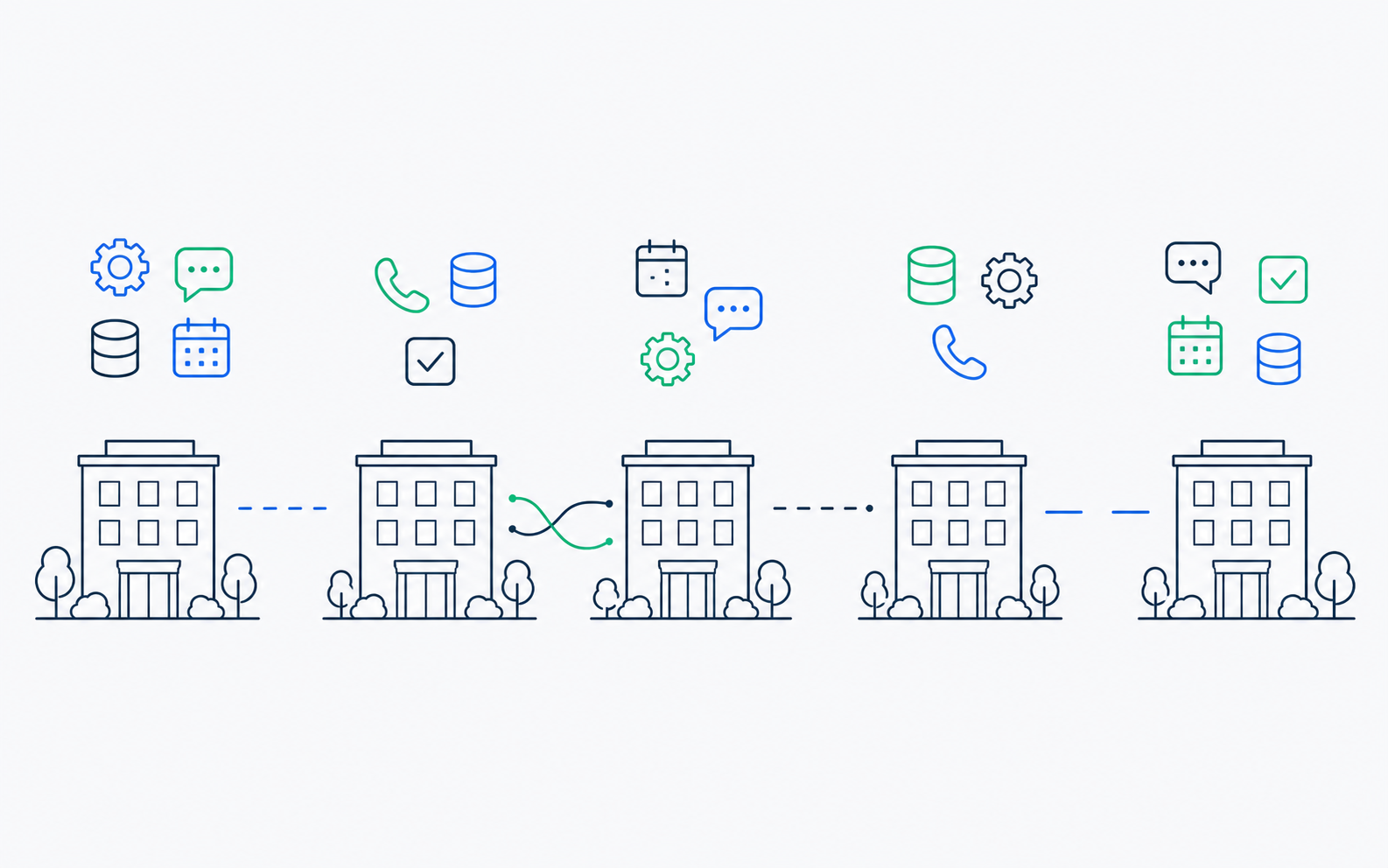
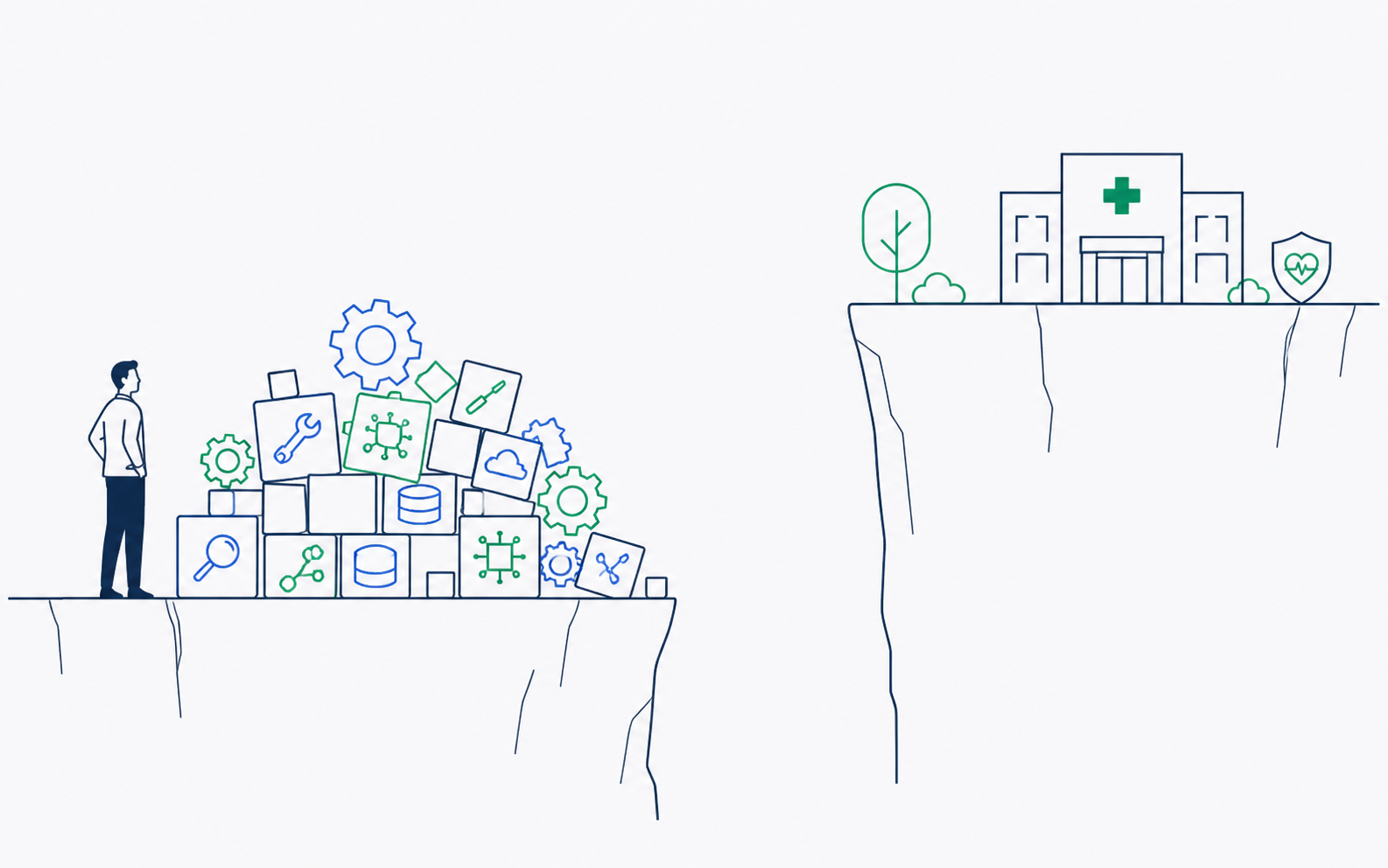
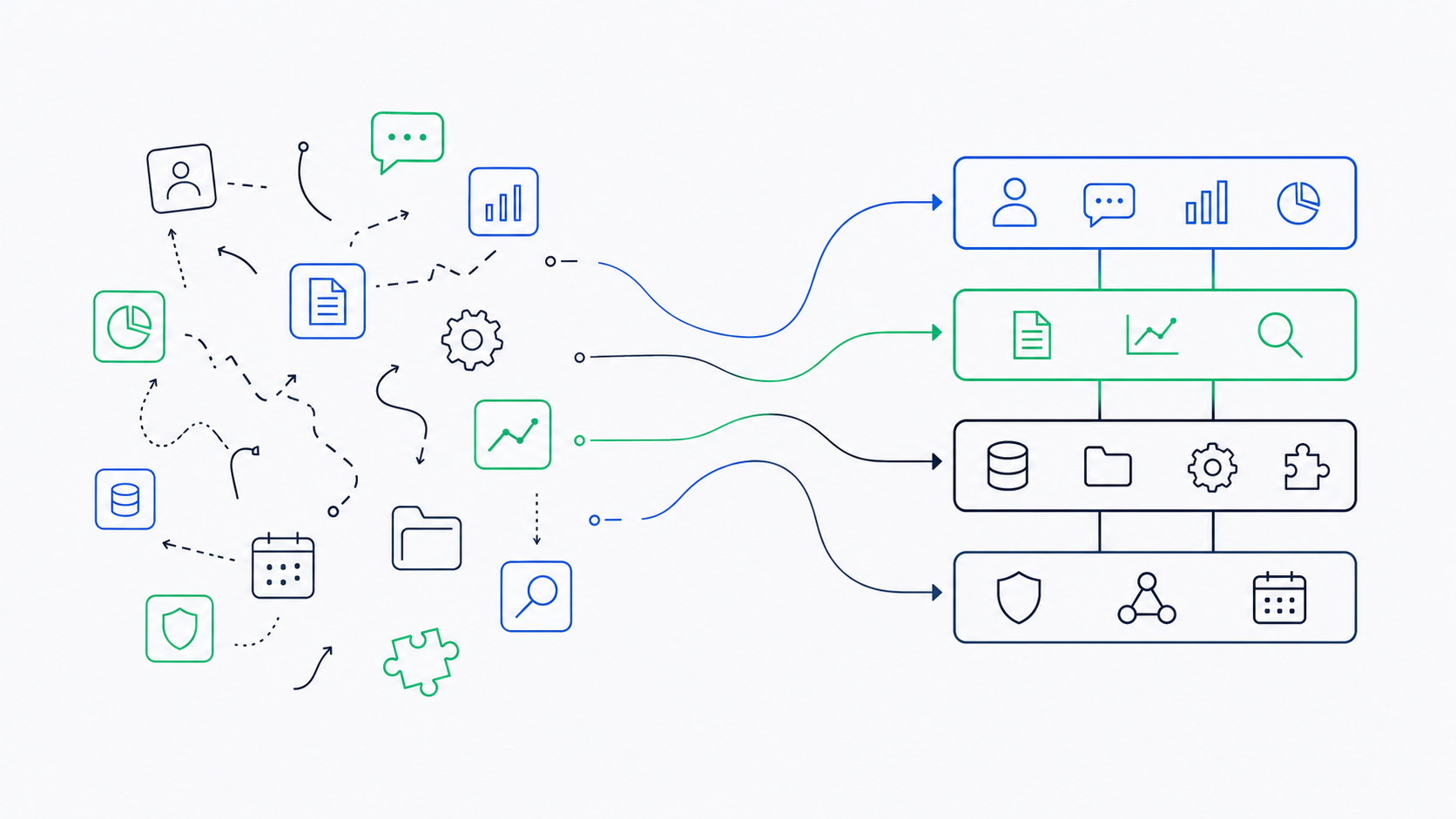
Healthcare organizations plateau because no one owns the operating layer — the patient's journey across channels as one system. The durable question isn't who to hire; it's who owns AI transformation.
Farid Fadaie is the cofounder and CEO of Viva AI, building AI tools for dental and healthcare operations.
Healthcare organizations plateau because no one owns the operating layer — the patient's journey across channels as one system. The durable question isn't who to hire; it's who owns AI transformation.
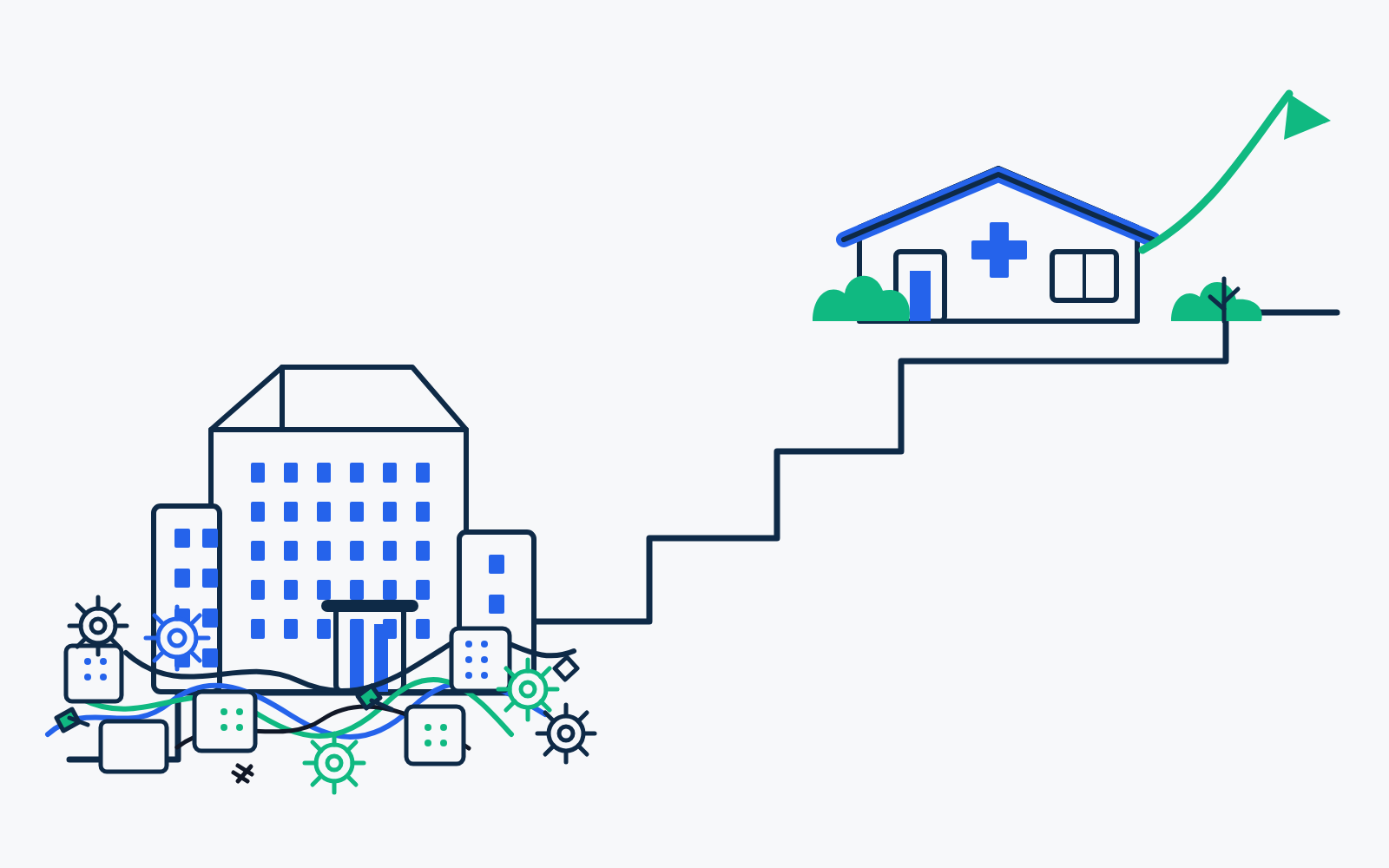
Healthcare organizations don't plateau at AI-Assisted because the technology isn't ready. They plateau because AI transformation is an organizational problem, not a technology one — and Stage 4 isn't something you buy, it's something you become.
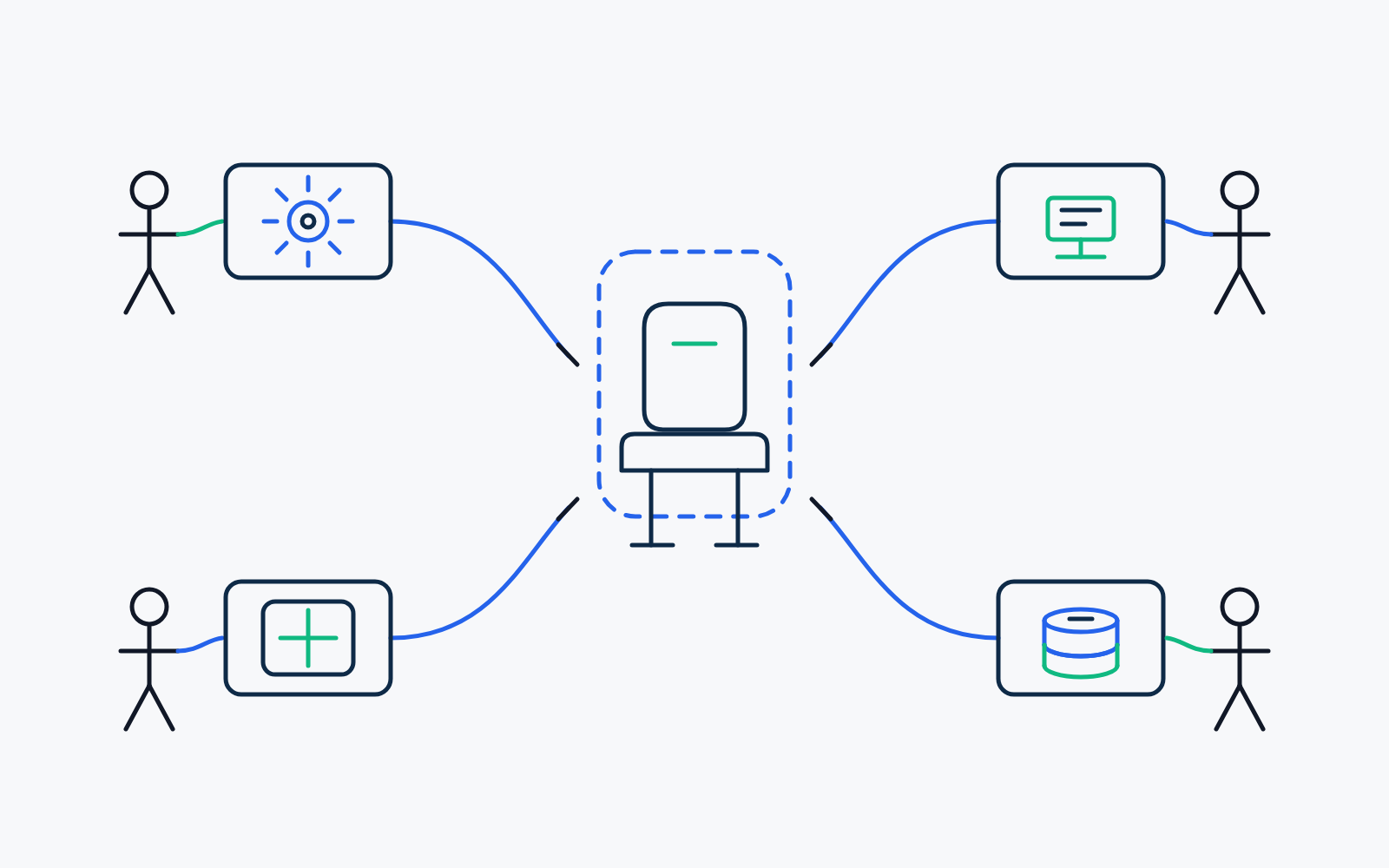
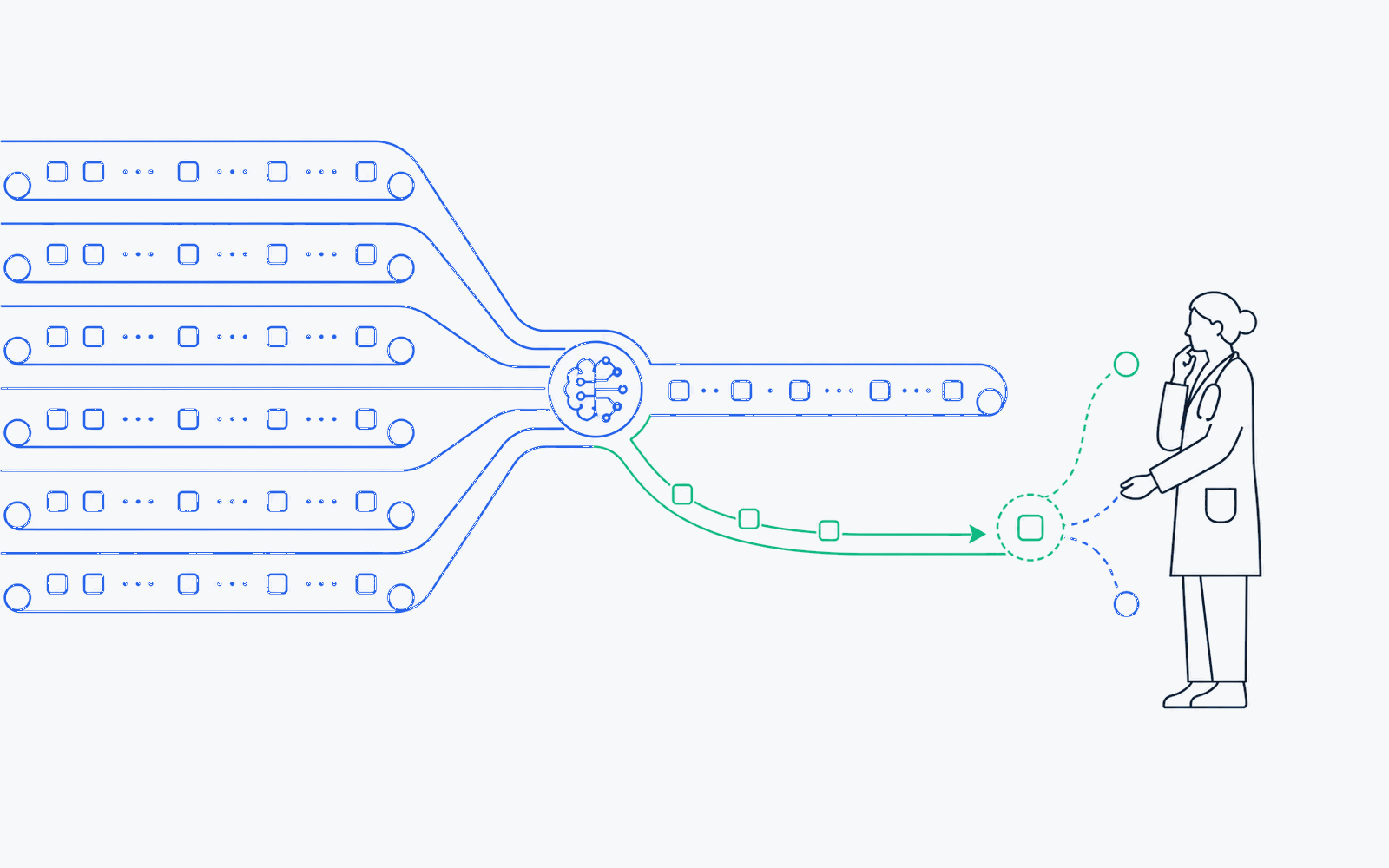
As AI takes over the operational work, the question isn't what's left for people — it's which decisions must stay human. Execution scales; judgment doesn't.
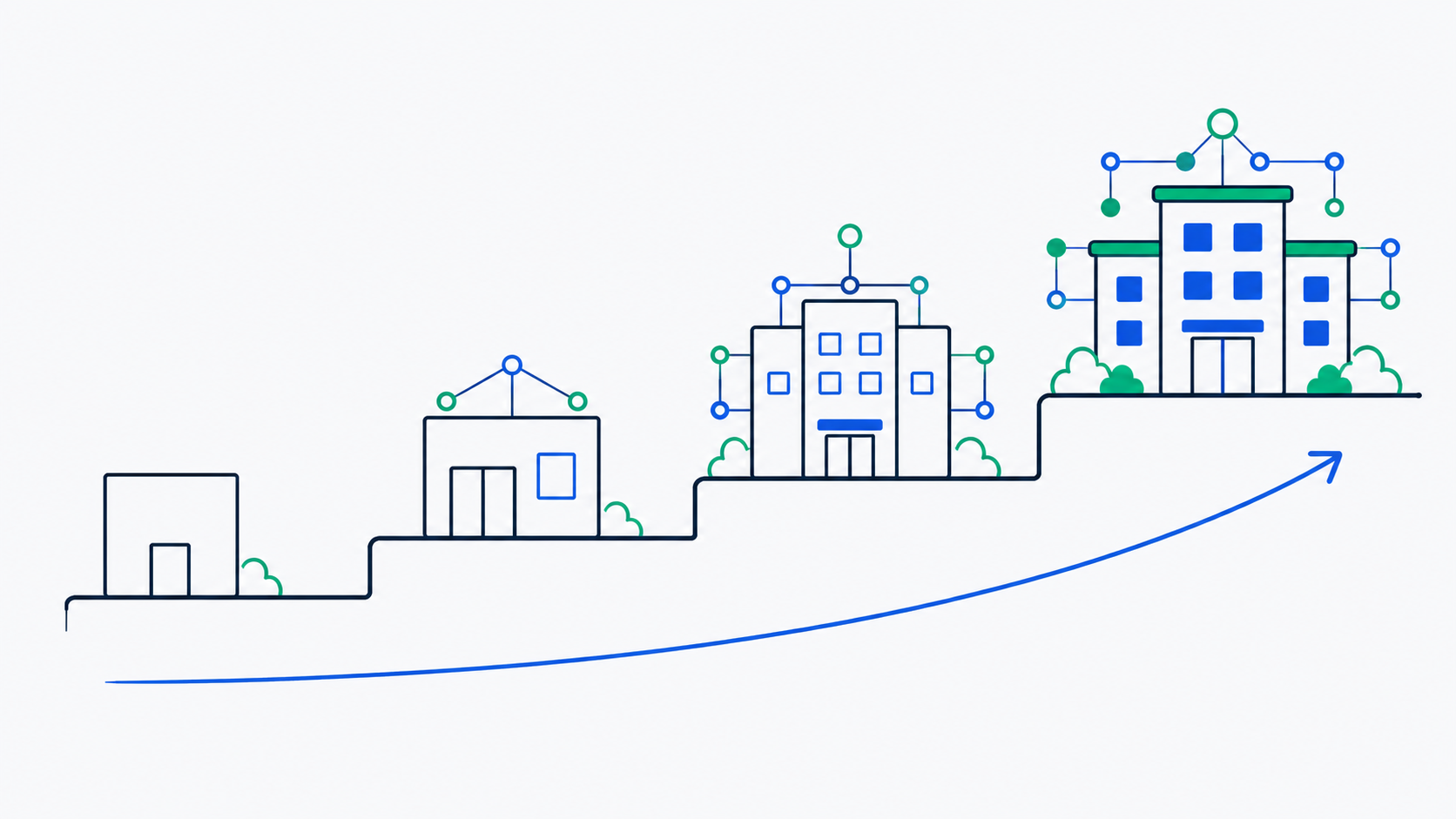
After Operations-First AI comes the obvious question: how does an organization actually become AI-native? The Healthcare AI Maturity Model — Analog, Digital, AI-Assisted, AI-Native — is the map.
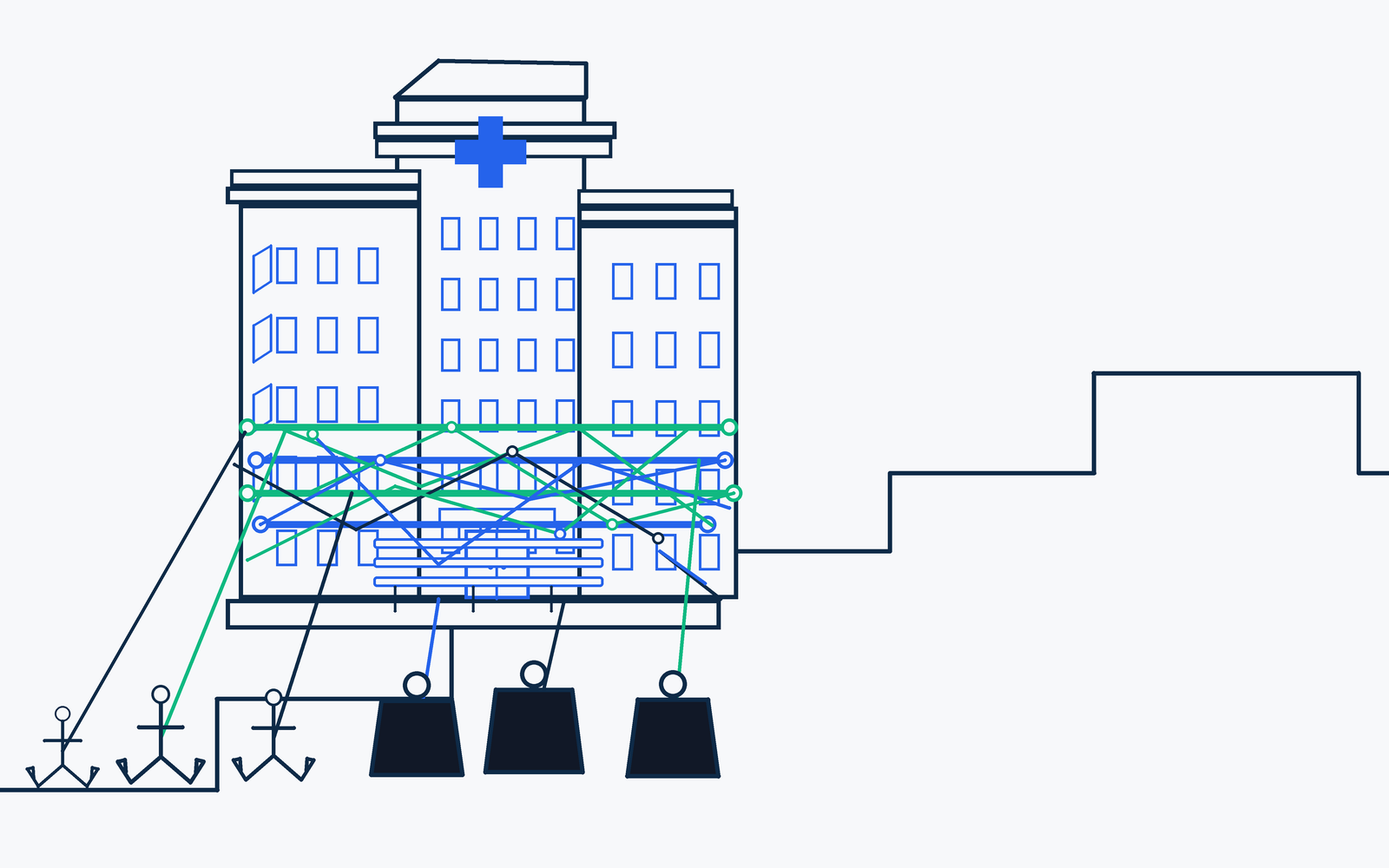
Health systems have the most AI money can buy and are the most stuck. The governance that makes clinical AI safe makes operational change impossible — which is why the biggest organizations plateau longest.
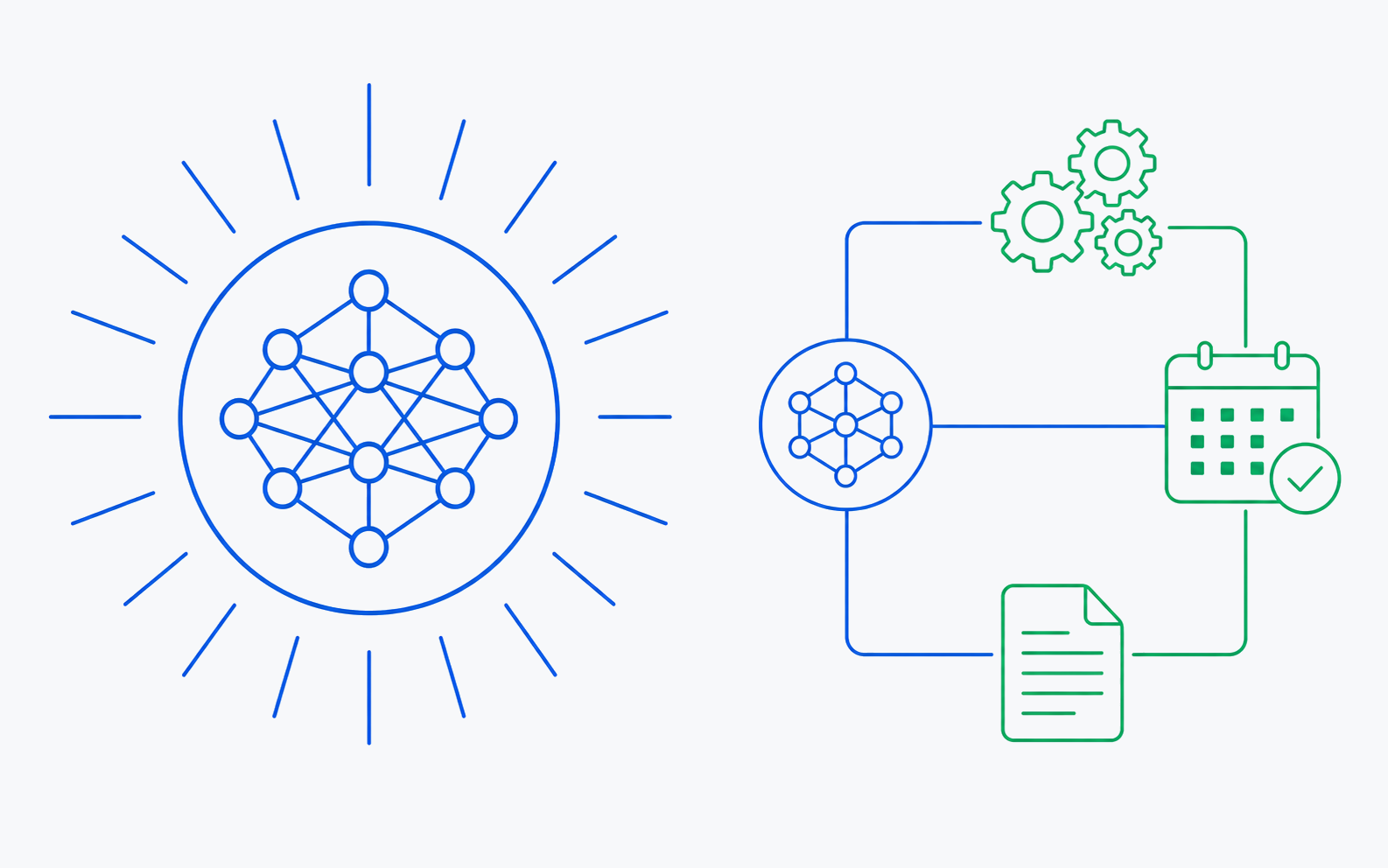
Healthcare doesn't need more AI tools — it needs an AI architecture: operations first, humans on the decisions, orchestration over automation, and production over demos.
Conversational AI in healthcare works when it becomes an AI front office: multilingual, integrated, safe, and reliable enough to improve patient access and reduce operational burden.
AI in healthcare is not really about diagnosis. After building AI for real practices, here is where it actually delivers — operations, communication, and access — and the principles that separate what works from what just demos well.
A builder’s honest tour of where AI in healthcare actually works today — and where it does not. Real operational examples, sorted from working now to overhyped.
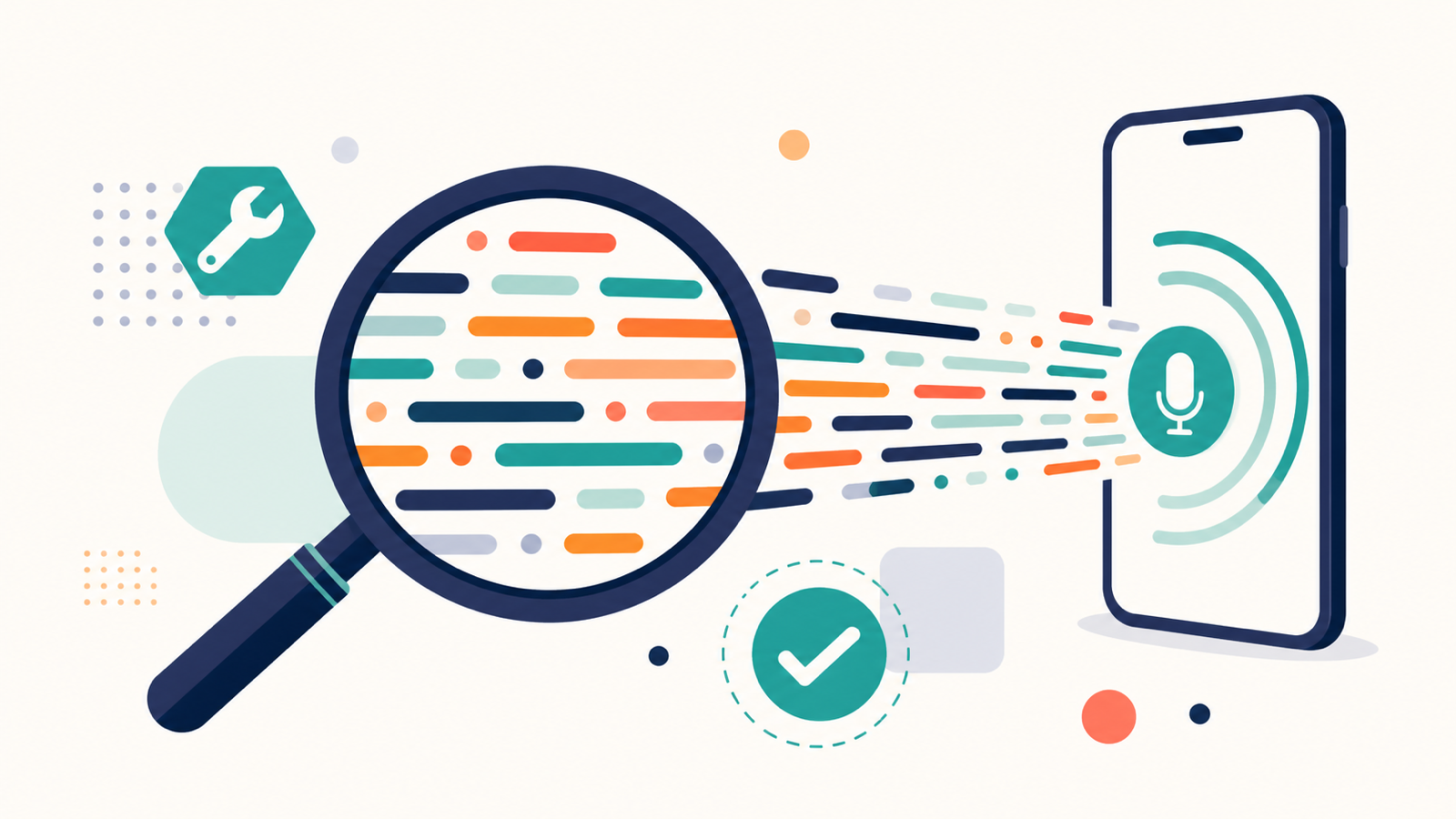
You cannot unit-test a conversation. The testing playbook for production voice agents: a four-layer test pyramid, simulated callers over real audio, LLM-as-a-judge scoring calibrated to design intent, the transcript-integrity trap, and the 2-of-3 flake rule.