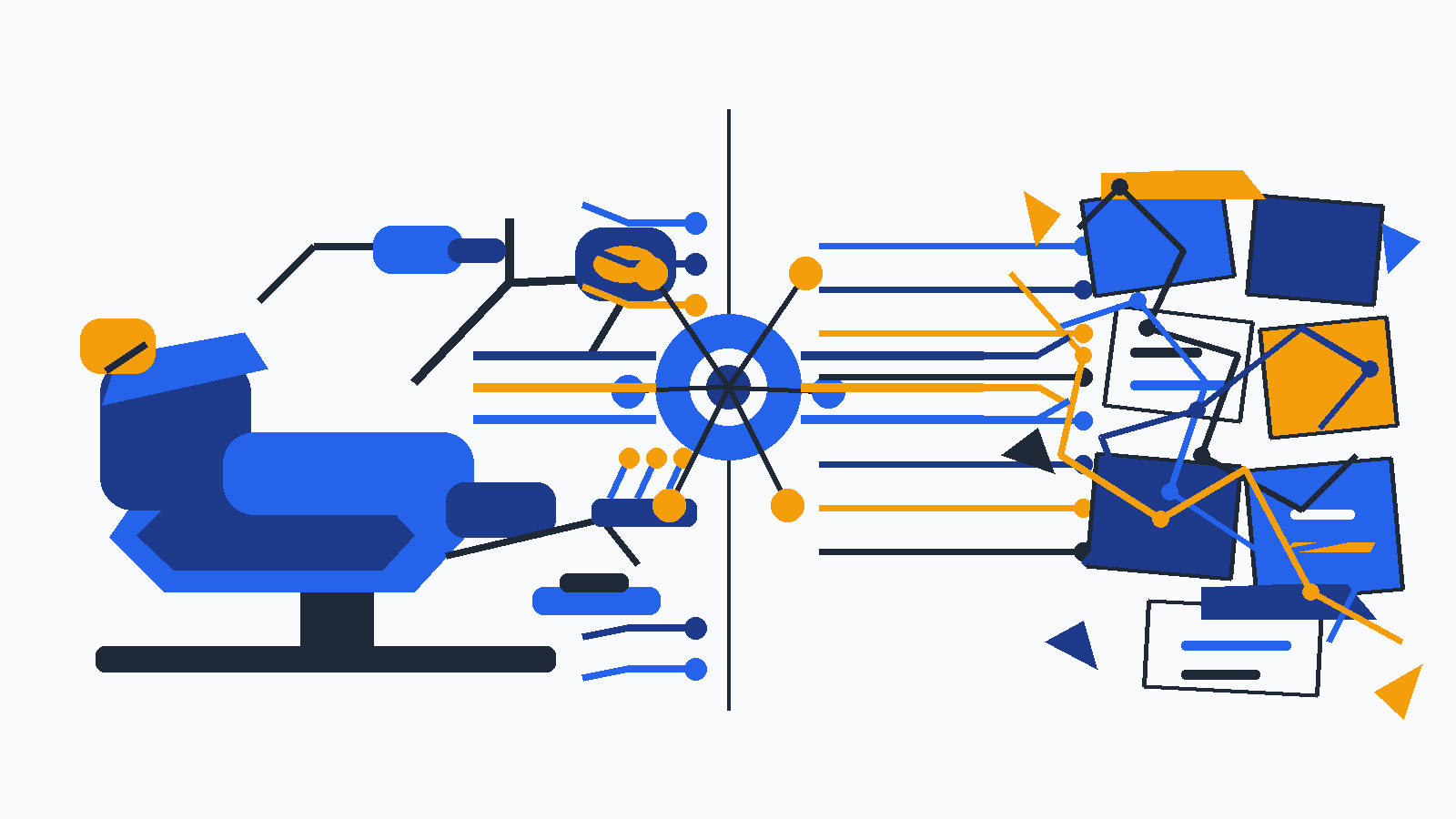
Dentistry has some of the most advanced clinical technology in healthcare — digital imaging, CAD/CAM, intraoral scanners, and AI-assisted diagnostics. Yet behind the scenes, most dental practices still run on workflows that are surprisingly manual.
Scheduling is phone-heavy. Insurance verification is time-consuming. Claims follow-ups drag on for weeks. Front desks are overwhelmed, patients wait longer than they should, and staff burnout has become the norm rather than the exception.
This is the real productivity crisis in dentistry — and it has nothing to do with clinical care.
The hidden bottleneck: operations, not treatment
If you ask dentists what’s limiting their growth, the answers are consistent:
- “We miss calls and lose new patients.”
- “Insurance takes too long.”
- “Our front desk is drowning.”
- “We don’t have time to follow up on treatment plans.”
These are not edge cases. They are structural problems baked into how most practices operate. Dentistry’s business side has simply not evolved at the same pace as its clinical side.
Recently, VentureBeat published an article exploring this exact issue — and how AI is emerging as a practical solution for dental operations. The piece includes my perspective on why dentistry has become an unexpected proving ground for applied AI, and why this shift is happening now.
You can read the full article here:
👉 Farid Fadaie
Why AI matters now (and didn’t before)
Automation in dentistry isn’t new. Practices have tried scripts, phone trees, chatbots, and point solutions for years — and most failed to deliver meaningful relief.
The difference today is that AI can finally handle what used to be “too complex”:
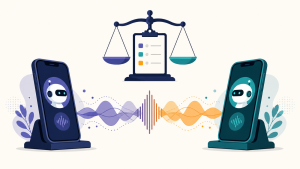
- Real conversations with patients
- Constant interruptions at the front desk
- Messy, rule-heavy insurance workflows
- Multilingual communication
- High-volume follow-ups that humans simply don’t have time for
Modern AI doesn’t just automate tasks — it understands context. That’s what makes it viable inside a real dental practice.
AI as the operating system for a dental practice
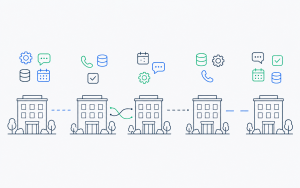
The most important shift isn’t AI for one task. It’s AI as a unified operational layer across the entire practice.
Instead of stacking disconnected tools, AI can now sit across:
- Phone calls and patient inquiries
- Scheduling and rescheduling
- Insurance eligibility and benefits verification
- Claims workflows and follow-ups
- Reminders, payment links, and post-treatment communication
When these workflows are connected, practices stop reacting all day — and start operating predictably.
This is why AI is increasingly being described not as “software,” but as the operating system for modern dental practices.
What changes when the admin burden drops
When administrative load is reduced, the impact is immediate and measurable:
- Fewer missed calls and lost patients
- Faster insurance turnaround times
- More consistent follow-up on treatment plans
- Less front-desk burnout
- Higher patient satisfaction
Importantly, AI doesn’t replace dental teams — it protects them. It removes the repetitive, high-volume work that prevents people from doing what humans do best: care, communication, and judgment.
Dentistry as a preview of healthcare’s future
Dentistry is showing us something important: the next wave of healthcare innovation won’t come from replacing clinicians — it will come from fixing operations.
AI-native practices will be able to grow without scaling chaos. Teams will spend more time with patients and less time on hold with insurance companies. And patients will experience care that feels modern, responsive, and human again.
That’s the quiet transformation happening right now.
And dentistry just happens to be where it’s becoming most visible.
Frequently asked questions
Why do dental practices have a productivity problem?
Most practices pair advanced clinical technology with manual, fragmented back-office workflows — phones, scheduling, insurance, and follow-ups — that quietly waste staff time and revenue.
How does AI improve dental practice productivity?
AI handles repetitive front-office tasks such as answering calls, booking appointments, sending reminders, and fielding insurance questions, freeing staff for patient-facing work.
Is AI in dentistry only for large practices?
No. Cloud-based AI tools scale down to single-location practices, which often feel administrative strain the most.